Why Drinking Alcohol Can Cause Bruising

If you regularly experience bruising after drinking, along with other signs like blackouts, strong cravings, or neglecting responsibilities, it may be time to assess your alcohol consumption. Chronic drinking makes the liver incapable of performing its work, Substance abuse and the levels of the proteins become deficient. Bruises all over your body after drinking because the wounds take more time to heal and let blood leak under the skin.
Everything to Know About Alcoholic Liver Disease

Most often, these bruises will be on the hands, legs, forearms, and feet. A person may start to bruise more easily than before for a number of different reasons, though bruising doesn’t necessarily indicate a serious health issue. Bruises typically form when a localized injury, such a blow or impact, causes capillaries to break open and leak red blood cells under the skin.
Other Factors Contributing to Bruising
Dizziness can result from alcohol intoxication, and intoxication can also lead to injuries that cause bruises. Dry skin may be present at the same time but is unlikely to be related to binge drinking. If you are concerned about your drinking or any symptoms, seek prompt advice from a healthcare provider. When it comes to drinking alcohol, several factors can increase the risk of bruising.
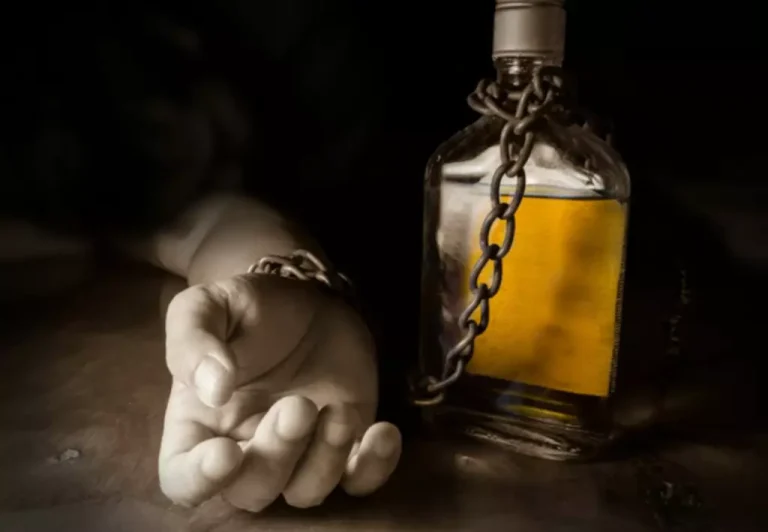
And, not for nothing, it really is true that alcohol can affect your motor skills, and even your memory.
Occasional drinking of fewer than two glasses per day is acceptable, but it’s best to familiarize yourself with signs of alcohol addiction and to prevent developing an alcohol use disorder. Over time, excessive alcohol can damage the liver which is responsible for making clotting factors. Chronic heavy drinking can cause alcoholic hepatitis, which is the inflammation of your liver. One common sign of alcoholic hepatitis is jaundice, where the skin and whites of your eyes look yellowish. But long-term and excessive alcohol consumption can lead to liver inflammation (liver hepatitis).
Moreover, the number of activated CD4 T-cells was described to be increased in individuals with chronic alcoholism 25, as in our patient (cf. legend of Table 2). Older people also are more likely to take aspirin, clopidogrel, warfarin, or direct oral anticoagulants, which make bruising and bleeding more likely. Blood vessels also lose some elasticity over time, while skin damage from sun exposure can cause blood vessels to break easily as well. Apart from that, fluctuations in hormone levels, such as those experienced during menopause, can affect blood vessels and contribute to bruising. Older people bruise more easily, as aging skin becomes thinner and loses some of the protective fatty layer underneath that helps cushion blood vessels from injury.
When to Seek Professional Help for Alcohol-induced Bruising?
They can help you determine whether you have a problem and what to do next. Reach out to Addiction Free Recovery today, and let us be your partner in the journey to a healthier, addiction-free life. When that happens, it’s best to consult a professional to prevent the issue from becoming a full-blown alcoholism. Alcohol-induced bruising looks similar to regular bruising, but the bruises may be larger than expected for the level of trauma or injury.
Progressive Symptoms

This means you can meet your daily commitments while attending therapy on weekdays. Yes, alcohol can affect your blood clotting by thinning the blood and reducing the ability of platelets to clump together, which can lead to easier bruising and bleeding. This influences the long-term production of clotting factors and places the sufferer at an enhanced risk of does alcohol make bruises worse bruises. Only a couple of drinks can cause vasodilation of blood vessels close to the skin, leading to potential bruising if you bump your body against a hard surface. According to Scott Swartzwelder, Ph.D. (coauthor of Buzzed), consistent vasodilation caused by drinking alcohol leads to more blood flowing through your blood vessels. All of these symptoms indicate that drinking has become a major problem in your life, and you should consider getting professional help to recover.
- Steaks and other raw meats don’t have special healing powers that can help a bruise.
- Thus, alcohol is directly toxic to the bone marrow, which contains the precursors of all blood cells, as well as to the mature cells circulating in the bloodstream.
- The authors sincerely thank the patient, who gave consent for publication of this case report.
- They may be visible in areas with less melanin, such as the forearms.
This is because water is essential for keeping cells hydrated and reducing cell damage. The alcohol industry has downplayed the negative effects of alcohol for many years. Thus, many people are unaware that alcohol is a major contributory factor to many diseases, including cancer, ulcers, and liver disease.